Improve Your Internet Commerce Tactics With Detailed Reporting Systems
In the challenging sector of e-commerce, analytics solutions have become essential for businesses seeking to succeed. These tools deliver valuable insights into consumer behavior, stock control, and focused promotional approaches. As companies endeavor for efficiency and financial success, grasping the right metrics and tools can make a significant difference. What specific strategies can enterprises deploy to fully utilize this data and stay ahead of the competition? The answers may transform their strategy.
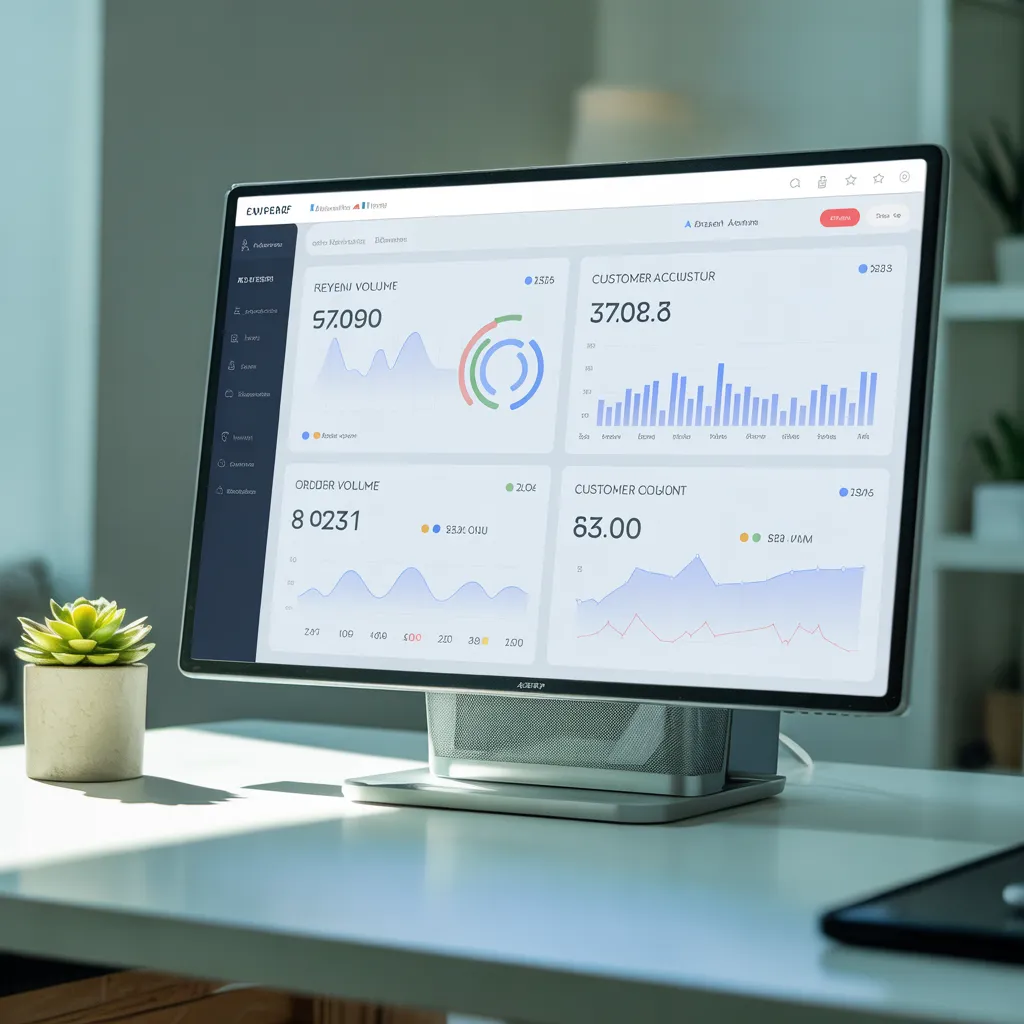
Why Digital Stores Utilize Performance Tracking to Sustain Operations
E-commerce companies increasingly depend on analytics to maneuver through a challenging landscape. The quick growth of online shopping has intensified competition, making it crucial for businesses to utilize data-driven insights. By analyzing consumer behavior, businesses can identify trends, preferences, and buying patterns that inform marketing strategies and product offerings. This analytical method allows companies to optimize their inventory management, ensuring that popular items are always in stock while minimizing overstock of less sought-after products.
Furthermore, analytics facilitate targeted advertising, enabling businesses to reach specific demographics effectively. Comprehending customer journeys through data helps in improving the user experience, reducing cart abandonment rates, and increasing conversion rates. In an environment where consumer preferences can shift quickly, businesses that leverage the power of analytics are better equipped to adjust and thrive. Ultimately, analytics function as a critical tool for e-commerce businesses aiming to enhance decision-making and maintain a competitive edge.
Critical E-Commerce Metrics for Information-Guided Decisions
Data-driven business decisions relies on the ability to track and interpret key performance indicators that reveal the health of an online business. Vital e-commerce metrics include conversion rate, which measures the fraction of visitors making purchases; average order value (AOV), indicating how much customers spend per transaction; and customer acquisition cost (CAC), reflecting the investment needed to attract new buyers.
Moreover, metrics including shopping cart dropout rate supply understanding into challenges in the purchasing process, while customer lifetime value helps determine the long-term earning potential of a customer. Source channels, whether organic, paid, or recommendation-based, play an important function in measuring marketing effectiveness. Understanding these measurements empowers e-commerce businesses to enhance strategies, improve promotional campaigns, and elevate customer experience. By focusing on these essential KPIs, companies can formulate informed decisions that generate expansion and financial returns.
Picking the Right Analytics Tools According to Your Requirements
Choosing the right data analysis software is crucial for companies aiming to leverage understanding from their key performance indicators. Organizations must initially evaluate their unique requirements, taking into account factors such as amount of data, integration capabilities, and user-friendliness. A range of tools exists, spanning comprehensive platforms that deliver all-in-one solutions to focused software targeting niche measurements.
Financial limitations also function as a major factor; enterprises should review fee structures to ensure they are spending prudently. Scalable capacity is another critical factor, as entities need systems that can develop alongside their growth.
In addition, the capacity to customize reports and dashboards can improve the relevance of insights generated. User support and training resources should not be overlooked, as effective implementation often dictates the achievement of an strategy for analytics. By carefully evaluating these elements, companies can select the tools for analytics that best match their objectives and operational requirements.
Evaluating Customer Patterns Optimally
Grasping customer behavior is vital for increasing revenue and enhancing user experience. Thorough analysis involves collecting and interpreting data from multiple interaction points, including website interactions, purchase histories, and customer feedback. By employing robust analytics tools, e-commerce businesses can recognize trends in customer preferences, such as popular products and seasonal buying patterns. Moreover, dividing audiences based on demographics and purchasing behavior allows for more focused understanding.
Critical measurements including conversion percentages, bounce rates, and checkout abandonment rates deliver important data regarding user engagement and problematic areas throughout the buying process. Furthermore, thermal mapping can display which areas on a webpage capture the most notice, shaping interface enhancements. Through synthesizing this data, enterprises can establish a comprehensive grasp of their patrons, ultimately producing strategic choices that boost the overall shopping experience and spur advancement.
Applying Metrics for Personalized Marketing Initiatives
Within the sphere of e-commerce, analytics operates as a vital component in creating personalized marketing strategies. By adopting data-driven audience segmentation, businesses can pinpoint specific customer groups and adjust content delivery accordingly. Additionally, predictive behavior analytics allows marketers to predict customer needs, boosting engagement and conversion rates.
Analytics-Powered Customer Segmentation
The use of data-driven audience segmentation is a cornerstone for impactful personalized marketing tactics. By utilizing analytics, e-commerce businesses can group customers into separate segments based on actions, preferences, and demographics. This precise segmentation permits marketers to tailor their campaigns, ensuring messages resonate with targeted audiences. For example, data insights can highlight which products attract particular demographics, enabling targeted promotions that increase engagement and conversion rates. Moreover, understanding customer journeys via data analysis empowers brands to optimize their marketing efforts, boosting retention and start here loyalty. Ultimately, adopting data-driven audience segmentation not only enhances customer experience but also maximizes marketing ROI, making it an indispensable practice for any e-commerce business looking to excel in a competitive environment.
Bespoke Content Dispensation
Effective customer segmentation facilitates tailored content delivery, that is important in personalized marketing strategies. By harnessing analytics, businesses identify different customer profiles based on preferences, behaviors, and demographics. This data supports the generation of content that matches defined segments, raising engagement and conversion rates. For instance, targeted email campaigns can deliver personalized product recommendations, while dynamic website content can adapt to user interactions in real time. Moreover, insights from analytics help companies fine-tune their messaging, making sure it aligns with their audience's interests. In the end, personalized content delivery builds stronger customer relationships and increases loyalty, positioning e-commerce brands for lasting success in a competitive market.
Predictive Behavior Analytics
Gaining insights from predictive behavior analytics helps e-commerce enterprises to build highly personalized marketing strategies. Through analyzing customer data, businesses can detect patterns and behaviors in consumer actions, allowing them to predict future buying decisions. This predictive capability allows for targeted marketing efforts, such as tailored product recommendations and customized promotions, which greatly enhance customer engagement. Additionally, understanding individual preferences helps companies optimize their advertising spend, ensuring that marketing messages resonate with the right audience at the right time. As a result, predictive behavior analytics not only fosters stronger customer relationships but also drives conversion rates and revenue growth. Within an ever-more competitive market, applying these insights is vital for lasting success in e-commerce.
How Data Insights Can Allow You to Enhance Inventory Management
Analytics serves as a important component in optimizing inventory management through applying demand forecasting approaches. These techniques enable organizations to anticipate upcoming product needs based on past data and market trends. Furthermore, inventory turnover analysis provides perspective into the speed at which products are purchased, assisting to maintain optimal stock levels.
Demand Prediction Methods
As organizations work to satisfy customer requirements while cutting costs, demand forecasting approaches have proven to be vital resources for stock control. These approaches utilize historical data, market movements, and seasonal variations to forecast future product demand precisely. By implementing analytical frameworks and machine learning technologies, companies can spot patterns and modify inventory levels as needed. This forward-thinking strategy minimizes the likelihood of inventory shortages and excess stock. Additionally, incorporating outside variables such as economic factors or consumer behavior can improve forecasting accuracy. Ultimately, precise demand forecasting enables e-commerce businesses to optimize workflows, boost customer satisfaction, and sustain a competitive position in the industry.
Stock Movement Study
Utilizing inventory turnover analysis effectively is essential for e-commerce businesses seeking to enhance their operations. The analysis gives insights regarding the frequency of inventory sales and replacements in a certain timeframe, aiding companies to recognize patterns and make informed decisions. Through the use of analytics, firms are able to identify sluggish items which could need discounts or deals to make space, therefore decreasing holding expenses. In addition, grasping turnover rates enables improved stock oversight, making sure that sought-after goods remain in stock and reducing extra inventory. This method based on data permits e-commerce retailers to match stock with customer demand, finally improving earnings and customer contentment. In a tough market, good inventory turnover analysis is a necessary instrument for continuing growth and efficiency.
Converting Insights To Action: Making Data-Based Decisions
Data-driven judgments enable companies to convert insights into concrete initiatives. By utilizing thorough analytics, companies can identify trends, customer behaviors, and operational inefficiencies. This data not only reveals what is functioning but also discovers opportunities for enhancement. For instance, comprehending consumer buying behaviors enables businesses to tailor promotional approaches that connect with intended customers, thereby enhancing engagement and conversion rates.
Moreover, immediate data insights facilitate quick strategic choices, allowing companies to respond swiftly to market changes. By deploying A/B testing, companies can assess the effectiveness of varying strategies, refining their tactics based on measurable outcomes.
Ultimately, the transition from knowledge to implementation requires a dedication to perpetual development and evolution. Companies that emphasize data-driven strategies are well-positioned to make strategic choices, streamline their workflows, and enhance overall outcomes. Accepting this strategy is essential for e-commerce organizations aiming to flourish in a competitive environment.
Often Posed Questions
In What Ways Can Metrics Boost My Website's User Experience?
Analytics can strengthen a website's user experience by detecting browsing habits, streamlining navigation, adapting content, and decreasing friction points. This insight-based methodology supports continuous improvements, ultimately driving increased user satisfaction and engagement.
What Common Challenges Exist in E-Commerce Reporting?
Common issues in e-commerce data analysis include overlooking dataset integrity, relying solely on numerical data, neglecting to divide market populations, neglecting mobile consumer actions, and failing to incorporate findings into decision-making, which can hinder proper strategy formation and enhancement.
How Periodically Should I Check My Analytical Results?
Assessing analytics data regularly permits rapid changes, while monthly reviews supply a comprehensive perspective on movements. Regular analysis guarantees well-informed choices, aiding to identify opportunities and address probable challenges effectively in e-commerce tactics.
Can Analytics Help With Customer Retention Strategies?
Analytics can significantly improve customer retention initiatives by uncovering consumer patterns, analyzing customer conduct, and identifying improvement opportunities. These intelligence enable businesses to adapt their methods, fostering loyalty and promoting repeated interactions productively.
What Privacy Considerations Should I Keep in Mind With Analytics?
Privacy challenges with analytics include data collection visibility, user agreement, potential data leaks, and adherence with regulations like GDPR. Businesses must guarantee principled approaches to sustain customer reliance while applying analytics for insights.